Introduction
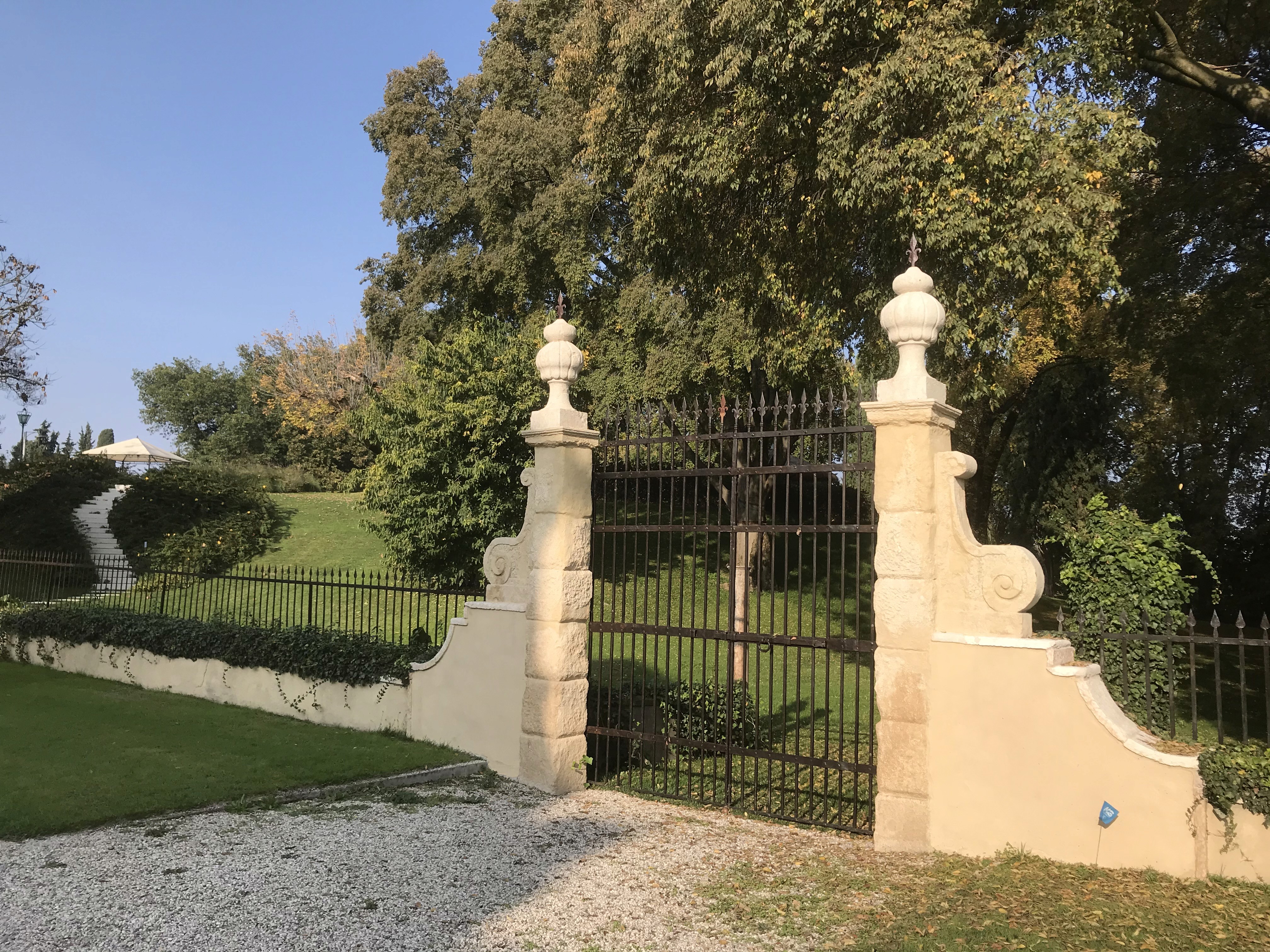
Conservative restoration of a gate likely dating to the late 17th century, later reused for an 18th-century villa.
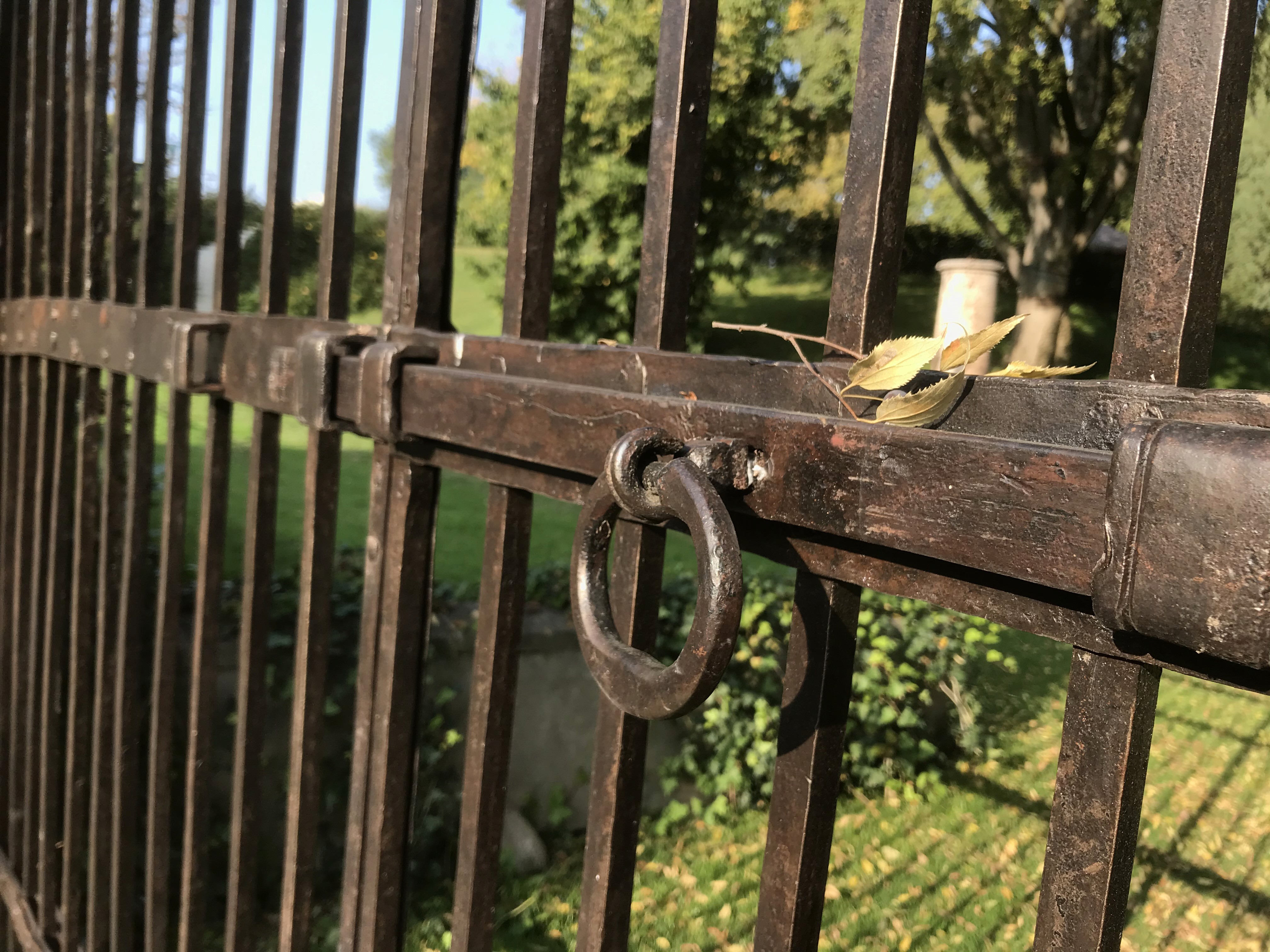
Although minimal in decoration, the piece features finely forged spearheads and a distinctive construction method: assembly through rivets inserted into square holes.
The square hole is a structural solution, preventing rivet rotation and ensuring long-term stability by avoiding misalignment and structural sagging under load
TECHNIQUE
To remove later paint layers, a controlled burning technique was applied.
Unlike sandblasting, this method removes accumulated coatings without damaging the original surface, preserving the historic forge scale.
This process restores the piece to a condition consistent with its origin, allowing the original craftsmanship to remain legible.
Choosing the Right System
Missing components were reconstructed using traditional forging techniques, shaping the steel while hot and finishing the elements with chiselled cuts, as originally done.
The newly forged spearheads were intentionally left without final surface protection, allowing natural oxidation to develop over time.
This decision enables the new elements to gradually blend with the original patina, avoiding artificial or forced ageing.

"
TO PRESERVE IS TO RESPECT TIME
Restoration begins with listening to the material.